
Dec 19 , 2025
How to Choose the Best Deer Skinning Knife
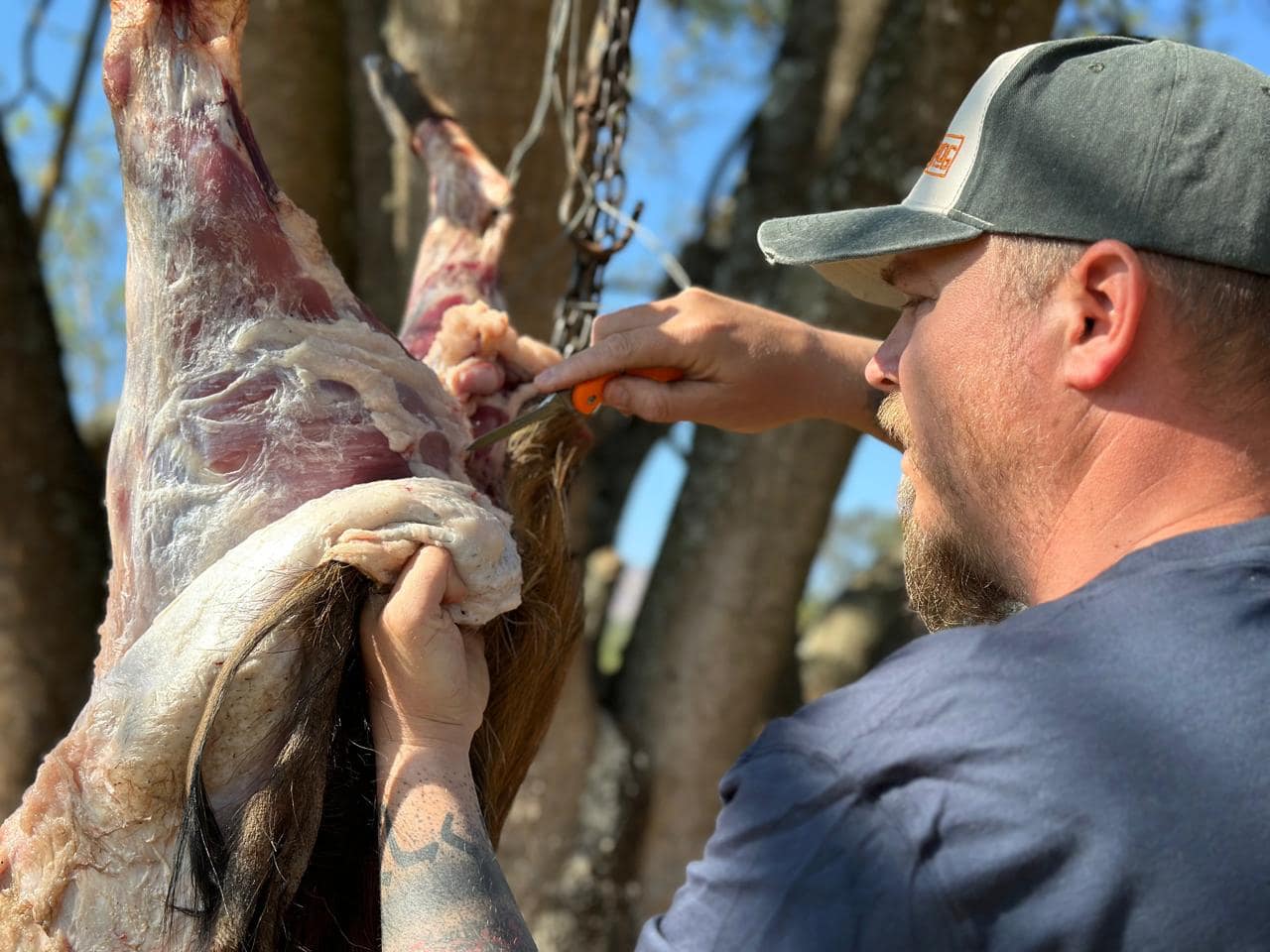
For serious deer hunters, success doesn’t end at the shot—it continues through clean, efficient processing. A dedicated deer skinning knife saves time, preserves meat, protects the hide, and keeps you safe when hands are cold and conditions are slick. In this guide, you’ll learn the key features that matter, how to match a knife to your hunting style, and which Wiebe Knives models excel at deer skinning—so you can walk from field to freezer with confidence.
What Makes a Great Deer Skinning Knife?
Deer skinning asks your knife to do a few things extremely well: glide just under the hide, separate membranes cleanly, and pivot through contours without puncturing the cape or gouging meat. The best knives balance control, comfort, sharpness, and durability.
Core criteria:
-
Blade geometry: A sweeping belly and fine tip give you precise control.
-
Length: 3–4 inches is the sweet spot for most skinning tasks; 4 inches offers added reach on big-bodied deer.
-
Edge performance: A razor edge that either holds through the job or can be refreshed instantly (replaceable blades).
-
Ergonomics: A secure, non-slip handle you can trust in cold, wet, or bloody conditions.
-
Carry method: Sheath or pocket clip that keeps the knife accessible without getting in the way.
Key Features to Look For
1) Blade Shape & Thickness
A curved belly supports long, smooth pulls under the hide; a fine point helps start precise incisions. A moderately thin stock reduces drag so you use less effort—and make fewer mistakes.
2) Edge Strategy: Replaceable vs. Traditional
If you often process deer or multiple animals in a day, replaceable-blade knives are game-changers: swap in a fresh, scalpel-sharp edge in seconds. If you prefer traditional steel, choose high-quality stainless that sharpens quickly and resists corrosion.
3) Grip You Can Trust
Look for textured, non-slip handles with a shape that locks your hand in. Comfort matters; skinning can take a while, and fatigue leads to slips.
4) Visibility & Safety
High-visibility handle colors can be easier to find in leaves or low light. A secure lock on folders and a well-fitted sheath for fixed blades keep you safer in the field.
5) Real-World Portability
You’ll move, kneel, and re-position constantly. Favor knives that ride light and close, with pocket clips or compact sheaths that don’t catch on layers or harnesses.
How to Match the Knife to Your Process
-
Cape-Conscious Hunters (taxidermy or shoulder mounts): Favor compact blades with premium control (3–4"). Replaceable-blade folders help you keep the edge surgical for delicate face work.
-
Quarter-in-the-Field Hunters: Consider a slightly longer, stronger blade that still has a skinning belly.
-
Multiple-Deer Days / Camp Processing: Replaceable blades reduce downtime and eliminate mid-job sharpening.
Top Wiebe Knives for Deer Skinning
Below are hunter-approved picks from Wiebe Knives, each built for sharpness, control, and confidence in real conditions.
Wiebe Monarch (Folding, Replaceable Blade)
A go-to for controlled skinning and caping, the Monarch pairs a compact profile with scalpel-sharp replaceable blades, so you always have a fresh edge. Excellent for precision work around brisket, legs, and the cape.
Wiebe Tala (Folding, 4" Replaceable Blade)
If you want a little more reach, the Tala brings a 4-inch blade that speeds up long draws along the flank and down the back. It’s still nimble at the shoulders, but the extra length shines on big-bodied deer and clean, sweeping pulls.
Wiebe Vixen (Folding, Replaceable Blade)
Lightweight, pocket-friendly, and wicked sharp, the Vixen excels at fine, close-quarters skinning. It’s a favorite for hunters who want maximum control with minimal bulk—perfect for starting tight cuts and working the face.
Wiebe Boss Dog (Fixed Blade)
Prefer traditional steel in a robust package? The Boss Dog offers a durable fixed-blade platform with a confident belly for skinning and the backbone for tougher transitions. The ergonomic handle keeps you locked in when conditions get slick.
Wiebe Red Fox (Folding)
Designed for clean hide separation, the Red Fox delivers smooth, predictable control across the entire skinning sequence. It’s a reliable “main blade” for hunters who want a purpose-built skinner that stays comfortable through long sessions.
Wiebe Arctic Fox (Folding)
The Arctic Fox balances nimble tip work with a generous skinning curve, helping you glide between hide and membrane with less effort. Its confident in-hand feel encourages long, consistent strokes.
Wiebe Skinner HZ (Fixed Blade)
A specialty skinner with a dual-edge blade, the Skinner HZ brings a precise edge on one side and a serrated edge on the other, along with a handle that stays planted. If you like a traditional fixed blade for deer, this is a dependable, field-tested choice.
Wiebe 3" Soft Handle Skinning Knife (Fixed Blade)
Compact and comfortable, this 3-inch skinner is built for close control—ideal for caping, tight quarters around the legs, and delicate trim where precision outranks power.
Pro Techniques for Faster, Cleaner Skinning
-
Start with the right incisions. Keep the tip up and go shallow; let the belly of the blade do the work.
-
Use long, light strokes. Glide between hide and membrane; avoid sawing.
-
Switch edges before you need to. With replaceable-blade models (Monarch, Tala, Vixen), swap early to keep cuts clean and consistent.
-
Mind your angles. Too steep and you’ll gouge meat; too shallow and you’ll fight the hide.
-
Stay organized. Keep your knife, spare blades, and wipes/sheath accessible so you don’t break flow.
-
Prioritize safety. Re-sheath or fold the knife whenever you reposition the carcass.
Fixed vs. Folding for Deer Skinning: Which Is Better?
Folding, replaceable-blade knives (Monarch, Tala, Vixen) excel at precision and uninterrupted sharpness—ideal for clean caping and long, smooth pulls. Fixed blades (Boss Dog, Skinner HZ, 3" Soft Handle) offer strength, simplicity, and easy cleaning, which many hunters prefer when conditions get muddy or icy. Many serious deer hunters carry both: a replaceable-blade folder for primary skinning and a fixed blade for transitions and backup.
Handle & Carry: Details That Matter
-
Ergonomics: Look for contours that fill the hand without hot spots.
-
Texture: Aggressive enough to grip with gloves; not so abrasive it tears them up.
-
Carry: Pocket clips keep folders at the ready; snug sheaths protect fixed blades and you. High-vis handles can save time and frustration on leaf-littered ground.
Care & Maintenance for Peak Performance
-
Clean immediately. Rinse and wipe down after use; remove fat and hair before they harden.
-
Dry thoroughly. Moisture dulls edges and can stain steel.
-
Refresh the edge. Hone fixed blades regularly; keep a diamond steel in camp.
-
Replace blades early. With replaceable systems, sharpness is seconds away—use it.
-
Store smart. Dry sheaths, aired pockets, and a light coat of oil keep gear ready for next time.
Final Take: Build Your Deer Skinning System
The “best” deer skinning knife is the one that fits your process—your hands, your terrain, your deer size, and how you like to work. If you prize nonstop sharpness and surgical control, consider the Monarch, Tala, Vixen, Red Fox, or Arctic Fox. If you want proven fixed-blade confidence, reach for the Boss Dog, Skinner HZ, or the 3" Soft Handle Skinning Knife for precision work.
Choose the geometry you like, keep a secure grip, and prioritize edge readiness. Do that, and your skinning will be faster, cleaner, and safer—every season.
Wicked sharp. Field-ready. Built for deer. That’s the Wiebe advantage.