
Apr 27 , 2026
Beaver Processing Knife Guide: From Trap to Tanning
For trappers and hunters, few animals require as much precision and technique as beaver. From the moment you pull a beaver from the trap to the final steps of fleshing and preparing the hide, having the right knives and tools makes all the difference.
At Wiebe Knives, we’ve spent years developing tools specifically for beaver skinning, fleshing, and fur handling. In this guide, we’ll walk through the full process—from trap to tanning—and highlight the best knives for beaver processing at each step.
Step 1: Preparing the Beaver for Skinning
Once your beaver is harvested, preparation is key. Lay the animal on a clean surface and position it for easy access. Beaver hides are thick and valuable, so careful cuts are critical.
Best Knife for This Step
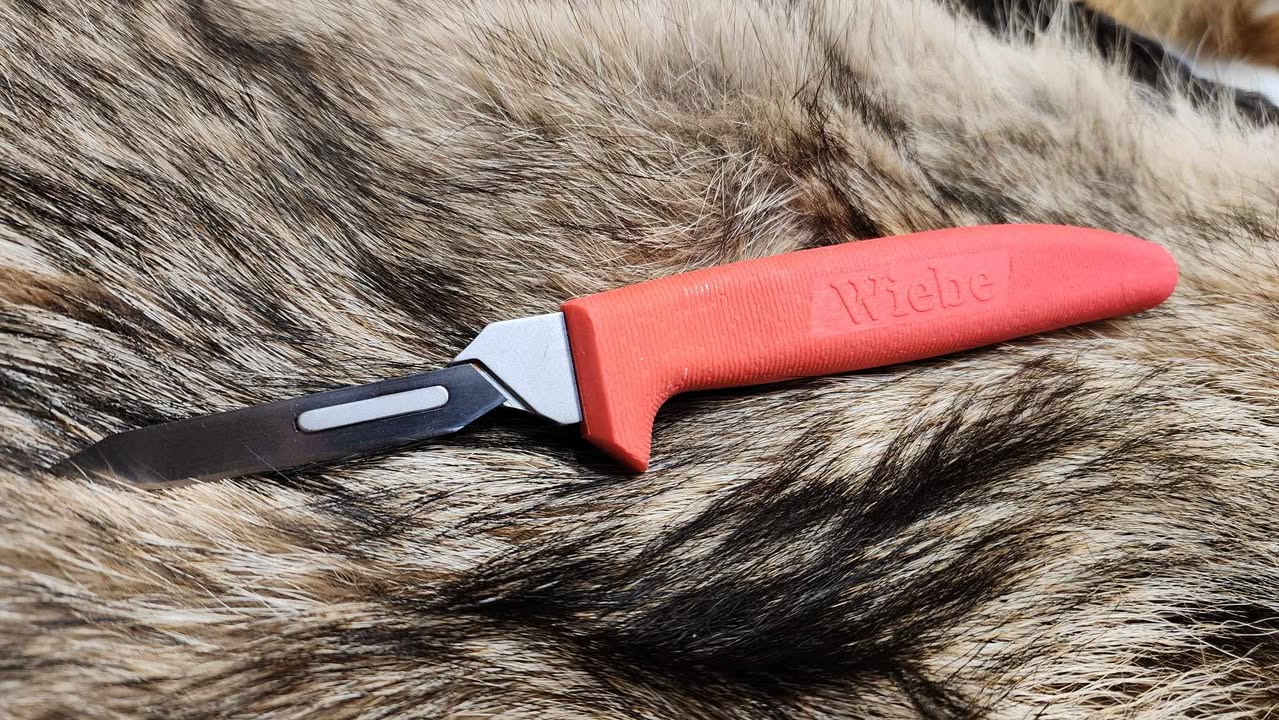
A precision skinning knife with excellent control is ideal here. Many trappers prefer a replaceable blade knife because it offers a razor-sharp edge for starting cuts without tearing the hide.
Step 2: Skinning the Beaver
Beaver skinning is typically done using the open method, where the hide is carefully separated from the body. This process requires controlled, shallow cuts to avoid damaging the pelt.
What to Look for in a Beaver Skinning Knife
-
Thin, sharp blade for clean cuts
-
Controlled tip for detailed work
-
Comfortable grip for extended use
Why a Beaver-Specific Knife Matters
A purpose-built beaver knife—like those with a wide, rounded blade—helps you move between the hide and membrane quickly while minimizing the risk of cutting holes. This improves both speed and pelt quality.
Step 3: Removing the Hide Cleanly
As you work around the legs, tail, and head, precision becomes even more important. This is where many hides get damaged.
Pro Tip
Use short, controlled strokes rather than long cuts. Let the blade glide between the hide and tissue instead of forcing it.
Recommended Tools
-
Compact skinning knife for detail work
-
Replaceable blade knife for consistent sharpness
Step 4: Fleshing the Beaver Hide
Once the hide is removed, the next step is fleshing—removing fat, membrane, and tissue from the pelt. This is one of the most important steps for preparing fur for sale or tanning.
Best Beaver Fleshing Knife Features
-
Wide blade for covering more surface area
-
Slightly dull edge designed for scraping, not cutting
-
Balanced design for control and efficiency
A dedicated fleshing knife or pelt scraper allows you to work quickly while protecting the hide. Larger blades are especially helpful when working on beaver due to their size and thickness.
Step 5: Finishing and Preparing the Hide
After fleshing, the hide should be smooth and clean. At this stage, you may need to do some final trimming or touch-up work.
Best Knife for Finishing
A small, precise blade works best for:
-
Cleaning edges
-
Removing remaining tissue
-
Preparing the hide for stretching or tanning
Why the Right Beaver Processing Knives Matter
Beaver processing isn’t just about getting the job done—it’s about doing it efficiently and without damaging the hide. The right tools help you:
-
Work faster with less effort
-
Preserve hide quality for better value
-
Reduce mistakes like cuts and holes
-
Handle multiple animals more efficiently
This is why many experienced trappers rely on a combination of:
-
A beaver skinning knife
-
A beaver fleshing knife
-
A precision detail knife
Recommended Beaver Processing Setup
For the best results, we recommend a simple, effective system:
-
Beaver Knife (dual skinning & fleshing) – for efficient hide removal
-
Fleshing Knife (larger blade) – for fast, clean scraping
-
Replaceable Blade Knife – for precision and finishing work
This combination gives you the versatility to handle every stage of the process with confidence.
Final Thoughts: From Trap to Tanning
Processing beaver is a skill that improves with time—but having the right tools gives you a major advantage from the start. With the proper beaver skinning knife and fleshing knife, you can move through each step more efficiently while protecting the quality of the hide.
At Wiebe Knives, our tools are built specifically for these real-world tasks. Whether you’re a seasoned trapper or just getting started, investing in the right beaver processing knives will help you get better results every time.
Because when it comes to fur handling, precision isn’t optional—it’s everything.